Your dog’s breath smells like a landfill. Again. You’ve tried brushing—once. Maybe twice. And those so-called “dental chews”? They vanish in three chomps, leaving plaque untouched. The problem isn’t your effort—it’s the false promises sold as solutions. Real plaque control demands more than marketing fluff. A true pet plaque remover doesn’t just freshen breath—it disrupts biofilm where it starts.
Why Most Plaque “Solutions” Fail Miserably
Most owners assume chewing = cleaning. That’s dangerously naive. Hard rubber toys? They might scrape surface gunk but miss subgingival plaque—the real villain behind gum disease. Enzymatic chews? Often under-dosed or ignored by picky pups. And brushing? Only 2% of dog owners do it daily—the minimum threshold for measurable impact.
Plaque isn’t just “dirt.” It’s a living matrix of bacteria that mineralizes into tartar within 48 hours. Once hardened, no toy, chew, or rinse can remove it. Prevention is the only battlefield that matters.
The Step-by-Step Guide to Effective Plaque Control
Forget shortcuts. Real results come from a layered approach that combines mechanical action, enzymatic disruption, and behavioral consistency.
Mechanical Action: Not All Toys Are Created Equal
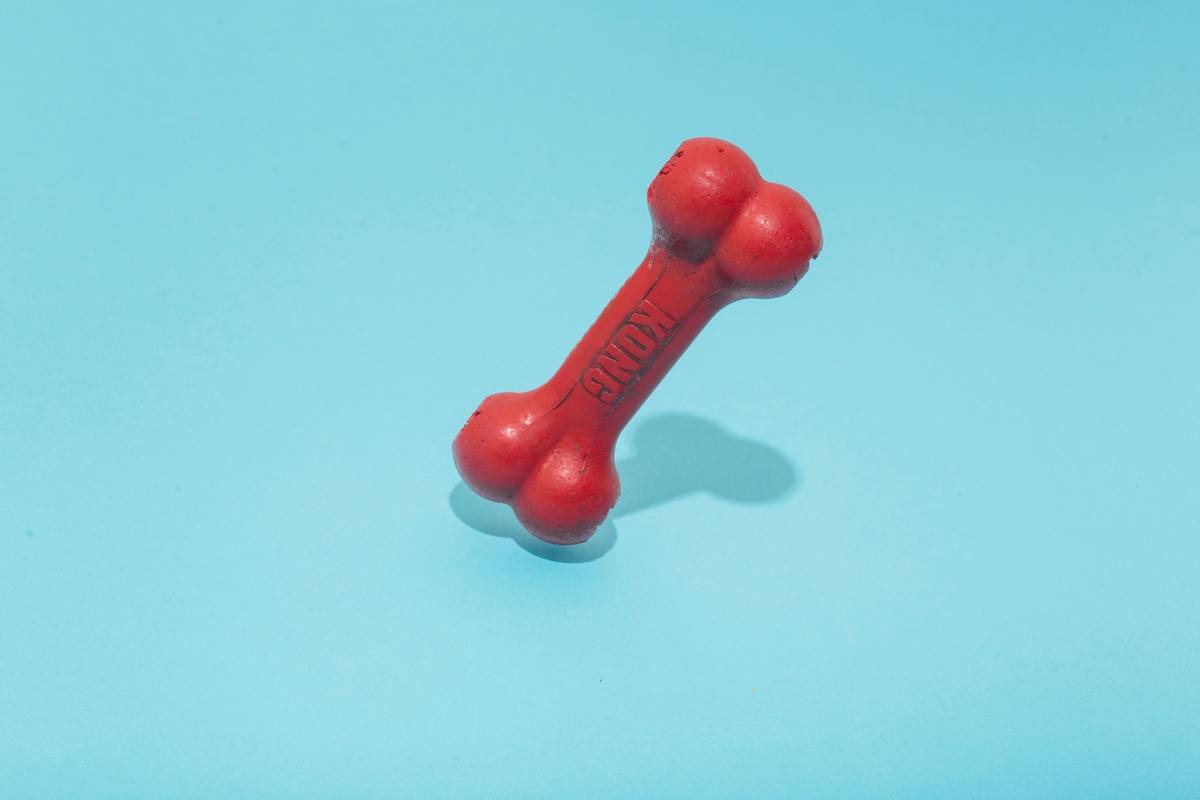
Dental toys must have raised nubs, ridges, or grooves positioned to contact molars and premolars—where plaque accumulates fastest. Flat bones? Useless. Look for VOHC (Veterinary Oral Health Council) acceptance—a rare stamp meaning independent testing confirmed plaque reduction.
Enzymatic Support: The Invisible Cleanup Crew
Oral enzymes like glucose oxidase and lactoperoxidase break down bacterial cell walls before plaque hardens. These should be embedded in chews or gels—not just sprayed on once and forgotten. Daily exposure is non-negotiable.
Behavioral Alignment: Work With Instincts, Not Against Them
If your dog won’t chew a dental stick, forcing it creates resentment—and zero dental benefit. Match texture to preference: aggressive chewers need durable nylon; light chewers thrive on softer, poultry-flavored rubber. Engagement beats compliance every time.
| Method | Avg. Cost/Month | Plaque Reduction Efficacy* | Owner Compliance Rate |
|---|---|---|---|
| Daily brushing | $5–$10 | 70–80% | <10% |
| VOHC-approved dental toys | $8–$15 | 40–60% | 65% |
| Enzymatic chews (non-VOHC) | $12–$20 | 10–25% | 78% |
| Water additives | $6–$12 | 15–30% | 50% |
*Based on 6-month clinical studies; efficacy assumes consistent use per manufacturer instructions.
The Industry Secret No One Admits
Here’s what manufacturers won’t tell you: many “dental” toys are designed for shelf appeal—not oral geometry. Bright colors, cartoon shapes, and chicken scent sell units. But if the toy doesn’t contact the tooth-crown junction at a 45-degree angle during chewing, it’s decorative. Period.
And—but this is critical—plaque reduction isn’t linear. Two days without intervention resets progress. The math is simple: consistency trumps intensity. A $3 rubber toy used daily outperforms a $30 “premium” chew used weekly. Stop chasing miracles. Start building routines.
Frequently Asked Questions
Can a pet plaque remover replace professional dental cleanings?
No. At-home tools prevent buildup but can’t remove existing tartar below the gumline. Annual vet cleanings remain essential for dogs over age 3.
How quickly do dental toys show results?
Visible improvement takes 4–8 weeks of daily use. Bad breath may fade sooner, but plaque reduction requires patience and consistency.
Are natural antlers or bones safe for plaque control?
Rarely. They’re often too hard, risking fractured teeth. Worse—they lack textured surfaces needed to disrupt plaque. Stick to flexible, purpose-built dental toys.