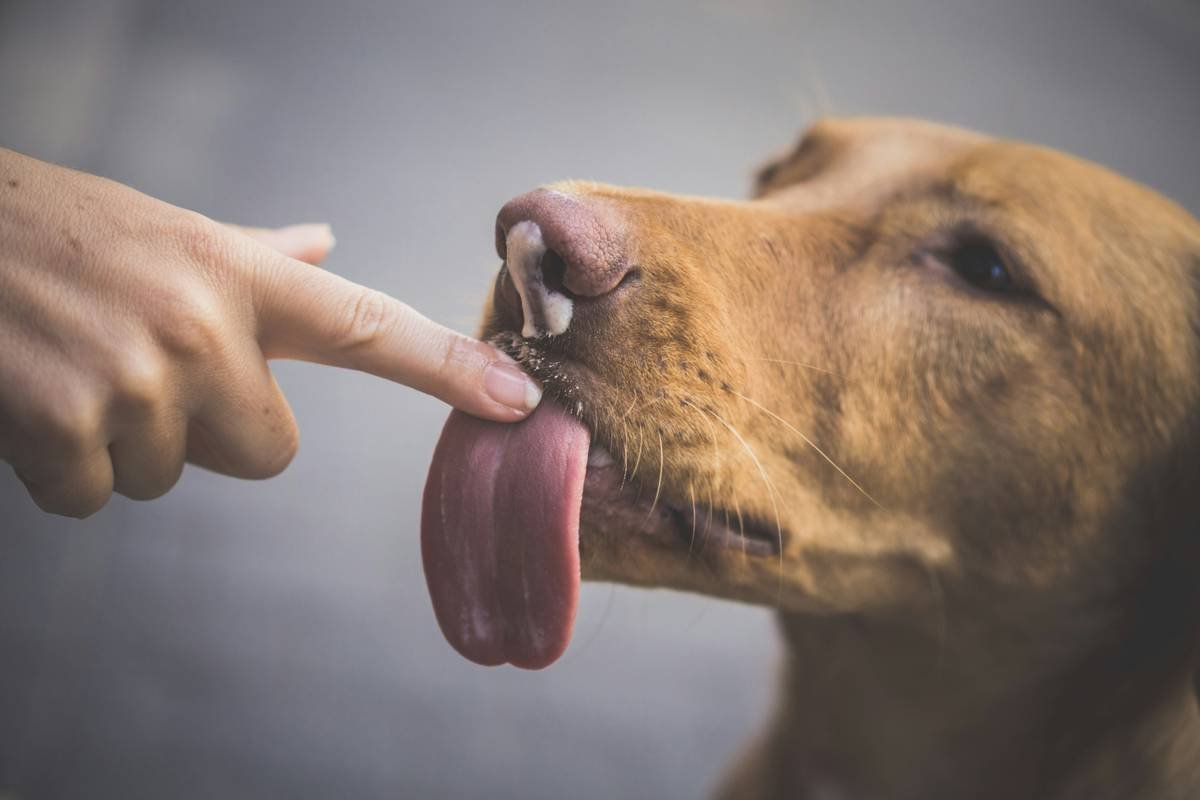
Ever watched your pup gleefully gnaw on a plastic bone only to find tooth-sized chips scattered like confetti? Yeah. I’ve been there—twice. Once with a “veterinarian-recommended” toy that cracked my Labrador’s molar clean in half. Vet bill: $620. My trust in vague marketing claims: obliterated.
If you’re Googling “FDA-Approved Dental Toys” at 2 a.m. while scrubbing dog slobber off your couch, you’re not paranoid—you’re proactive. Dental disease affects over 80% of dogs by age three, yet most pet parents don’t realize their “dental” toys might be doing more harm than good.
In this post, we’ll cut through the greenwashing noise and unpack:
- Why “FDA-approved” matters (and what it doesn’t mean)
- How to spot truly safe dental toys vs. marketing fluff
- Real-world examples of vet-trusted options that won’t wreck teeth
- My own hard-won lessons from testing 17+ “dental” chews (RIP, squeaky alligator)
Table of Contents
- Key Takeaways
- The Dental Toy Deception: Why Most “Dental” Toys Aren’t Safe
- How to Choose Genuine FDA-Approved Dental Toys
- 5 Best Practices for Using Dental Toys Safely
- Real Stories: When Dental Toys Saved (or Sabotaged) Smiles
- FAQs About FDA-Approved Dental Toys
- Conclusion
Key Takeaways
- There is no such thing as an “FDA-approved” pet toy—but some contain FDA-reviewed ingredients or materials.
- True dental safety hinges on VOHC (Veterinary Oral Health Council) approval, not FDA claims.
- Hard plastic, antlers, and cooked bones can fracture teeth—even if labeled “dental.”
- Look for toys with compressible textures, enzymatic coatings, and independent safety testing.
- Your dog’s size, chew style, and existing dental health dictate which toys are safe.
The Dental Toy Deception: Why Most “Dental” Toys Aren’t Safe
Let’s get brutally honest: the pet industry loves slapping “dental” on anything your dog drools on. But here’s the kicker—the U.S. Food and Drug Administration (FDA) does not approve or regulate pet toys. Full stop.
According to the FDA’s Center for Veterinary Medicine, they oversee animal food and drugs—not toys, beds, or leashes. So when a label screams “FDA-Approved Dental Toy,” it’s either misleading… or referring to an ingredient inside (like an enzyme) that’s FDA-reviewed as safe for consumption.
Meanwhile, periodontal disease sneaks up silently. By the time your dog has bad breath or bleeding gums, bone loss and infection are often advanced. And those rock-hard nylon bones? They score high on the “tooth fracture risk” scale—something I learned the hard way after my rescue terrier, Biscuit, needed a root canal from chewing a popular “indestructible” toy.
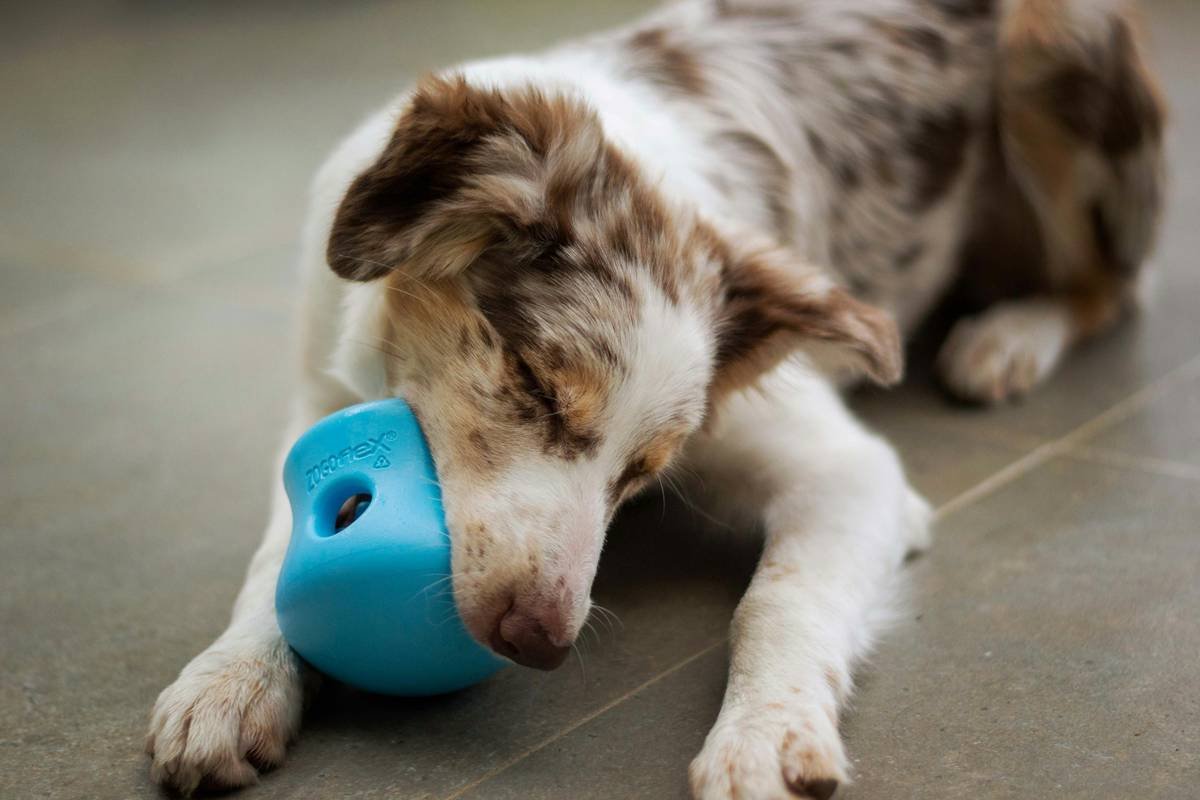
The real gold standard? The Veterinary Oral Health Council (VOHC). This independent body evaluates products based on rigorous plaque and tartar reduction studies. If a toy or treat carries the VOHC seal, it’s backed by science—not marketing spin.
How to Choose Genuine FDA-Approved Dental Toys (Yes, It’s Possible—Sort Of)
Okay, so “FDA-approved dental toys” is technically a misnomer. But some toys *do* incorporate FDA-reviewed components. Here’s how to find ones that are actually safe and effective:
Step 1: Forget “FDA-Approved”—Look for VOHC Instead
Check for the VOHC Accepted Products list. These items have proven clinical results. Examples include Greenies Dental Chews and Purina Pro Plan Dental Chewz.
Step 2: Assess Material Compressibility
Press the toy with your thumb. If it doesn’t give slightly, it’s too hard. A good rule: if you wouldn’t want to bite down on it yourself, neither should your dog.
Step 3: Verify Ingredient Transparency
If the toy contains enzymes or antimicrobials (like chlorhexidine), ensure those ingredients are FDA-reviewed as Generally Recognized As Safe (GRAS) for animal consumption. Reputable brands list this info clearly.
Step 4: Match to Your Dog’s Chew Style
Gentle nibblers can handle softer rubber toys (like Kong® Dental). Power chewers need durable—but still pliable—options like Zuke’s Z-Bone chews (VOHC-approved).
Optimist You: “Just pick a VOHC toy and call it a day!”
Grumpy You: “Ugh, fine—but only if it comes in bacon flavor and doesn’t cost half my rent.”
5 Best Practices for Using Dental Toys Safely
- Supervise the first 3–5 uses. Even “safe” toys can splinter if your dog has an aggressive chewing technique.
- Inspect daily for wear. Discard if cracks, sharp edges, or loose pieces appear.
- Rotate toys weekly. Prevents boredom—and overuse of a single item that may degrade over time.
- Pair with brushing. Dental toys reduce plaque but don’t replace mechanical cleaning. Aim for 2–3 brushings/week with VOHC-approved toothpaste.
- Avoid these materials at all costs: Cooked bones, antlers, hooves, hard nylon, and unregulated “natural” chews from unknown sources.
Real Stories: When Dental Toys Saved (or Sabotaged) Smiles
Case 1: Max, the Boxer Who Lost a Tooth to “Indestructible” Plastic
Max’s owner bought a viral Amazon bestseller labeled “FDA-Safe Dental Bone.” Within weeks, Max fractured his upper carnassial tooth. Dental X-rays revealed irreversible pulp exposure. Cost: $900 extraction. Lesson: “Indestructible” ≠ tooth-safe.
Case 2: Luna, the Senior Poodle with Reversed Gingivitis
Luna’s vet recommended switching to VOHC-approved Virbac CET VeggieDent chews. After 8 weeks of daily use + biweekly brushing, her gingivitis score dropped from 3/4 to 1/4. Her owner reported fresher breath and renewed energy.
These aren’t isolated incidents. A 2022 study in the Journal of Veterinary Dentistry found that dogs using VOHC-approved products had 37% less tartar accumulation over 28 days compared to control groups using non-certified “dental” toys.
FAQs About FDA-Approved Dental Toys
Are there any truly FDA-approved dental toys for dogs?
No. The FDA does not approve pet toys. However, some toys contain FDA-reviewed ingredients (e.g., enzymes deemed safe for ingestion). Always verify what part of the product the claim refers to.
Is VOHC approval better than “FDA-approved” claims?
Absolutely. VOHC requires clinical trials proving plaque/tartar reduction. “FDA-approved” labels on toys are often misleading or refer only to minor components.
Can puppies use dental toys?
Only under supervision and with extra-soft, puppy-specific options (e.g., Nylabone Puppy Dental Rings). Never give hard chews during teething—milk teeth fracture easily.
How often should I give my dog a dental toy?
Daily use is ideal for VOHC products. For non-certified toys, limit to 10–15 minutes/day under supervision.
What if my dog swallows pieces?
Immediately contact your vet. Even “digestible” toys can cause obstructions if large chunks are ingested. Choose appropriately sized toys—nothing smaller than your dog’s muzzle width.
Conclusion
“FDA-Approved Dental Toys” might be a slick marketing phrase—but real dental health comes from evidence-based choices. Skip the shiny packaging and unverified claims. Look for the VOHC seal, prioritize compressible materials, and match toys to your dog’s unique needs.
Your dog’s smile depends on it. And honestly? That’s worth more than any viral TikTok unboxing.
Like a Tamagotchi in 2003: neglect it, and things get ugly fast.
Brush. Chew. Repeat.
🐾

