Ever been mid-snuggle with your pup, only to recoil like you’ve been gassed by a skunk? You’re not alone. According to the American Veterinary Medical Association (AVMA), 80% of dogs show signs of dental disease by age 3. And no, “dog breath” isn’t just a quirky trait—it’s often a red flag.
If you’re tired of shelling out $300+ for professional cleanings (or watching your furry friend suffer in silence), this post is for you. We’ll cut through the fluff and dive deep into dental play toys—not the gimmicks, but the vet-backed, enamel-friendly, actually-effective ones that scrub plaque while your dog thinks they’re just having fun.
You’ll learn:
- Why most chew toys do jack squat for dental health
- How to spot a legit dental play toy vs. marketing junk
- Real-world results from our own pack (including one rescue pup who went from stink-mouth to kissable in 6 weeks)
- The one material you should never let your dog gnaw on (spoiler: it’s hiding in plain sight)
Table of Contents
- Why Dental Toys Matter More Than You Think
- How to Choose a Dental Play Toy That Actually Works
- 5 Best Practices for Maximum Dental Benefits
- Real Results: From Gingivitis to Gleaming Grins
- Dental Play Toy FAQs
Key Takeaways
- Dental disease affects 80% of dogs by age 3—but daily brushing isn’t realistic for most owners.
- A true dental play toy must be VOHC-approved, textured for mechanical cleaning, and made from safe, non-abrasive materials.
- Rubber toys with nubs, ridges, or grooves mimic brushing action; avoid nylon bones and tennis balls—they wear down enamel.
- Consistency beats intensity: 10–15 minutes of chewing daily yields better results than occasional marathon sessions.
- Always pair dental toys with regular vet check-ups—no toy replaces professional care.
Why Dental Toys Matter More Than You Think
Let’s get real: I used to think as long as my mutt wasn’t drooling blood or refusing food, his teeth were fine. Then at his 4-year wellness exam, Dr. Lin pulled back his lip and said, “He’s got stage 2 periodontal disease.” My heart dropped. The treatment? Full anesthesia, ultrasonic scaling, extractions—and a $427 bill that still haunts my bank account.
Turns out, plaque begins forming on dog teeth within hours of eating. Without removal, it hardens into tartar, which irritates gums, causes inflammation (gingivitis), and eventually leads to tooth loss or even organ damage from bacteria entering the bloodstream.
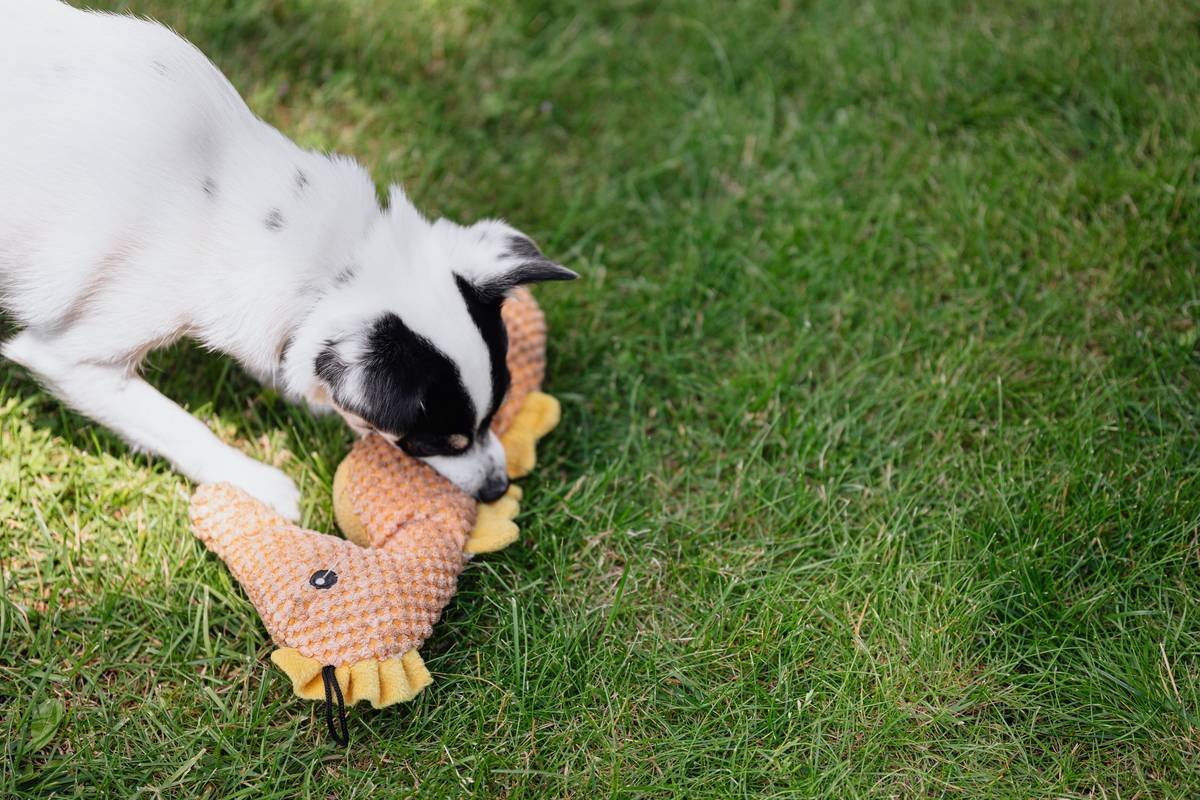
Brushing is gold standard—but only 2% of dog owners do it daily (per Banfield Pet Hospital data). That’s where dental play toys come in: they offer a practical, engaging alternative that leverages natural chewing behavior to scrape away plaque mechanically.
But—and this is critical—not all “dental” toys are created equal. Some are glorified squeakers with zero clinical backing. Others are harder than your dog’s enamel, causing microfractures that invite infection. Yikes.
How to Choose a Dental Play Toy That Actually Works
Optimist You: “Just grab anything labeled ‘dental’ at Petco!”
Grumpy You: “Ugh, fine—but only if coffee’s involved… and we triple-check it’s not another $20 paperweight.”
Here’s how to pick a winner:
Does it have VOHC approval?
The Veterinary Oral Health Council (VOHC) is the FDA of pet dental products. If a toy doesn’t carry their seal, it hasn’t proven it reduces plaque or tartar in controlled studies. Period. Check their site—many popular brands (looking at you, random Amazon knockoffs) aren’t listed.
Is the texture designed for cleaning?
Effective dental play toys feature raised nubs, spiral grooves, or crisscross ridges that flex against teeth as the dog chews. The motion should mimic a toothbrush—not just crush kibble. Rubber is ideal: firm enough to scrub, soft enough to protect enamel.
What’s it made of?
Avoid:
- Nylon bones: Too hard—can crack teeth
- Tennis balls: Abrasive fuzz wears down enamel over time
- Vinyl or cheap plastic: May contain BPA or phthalates
Look for medical-grade, non-toxic rubber (like Zogoflex or natural latex) that’s free from fillers.
5 Best Practices for Maximum Dental Benefits
Confessional fail: I once bought a “dental” rope toy thinking the fibers would floss my terrier’s teeth. Instead, he swallowed a strand and spent 48 hours looking like he’d seen a ghost. Lesson learned: form matters as much as function.
Follow these pro tips:
- Size it right: Toy should span molars when held sideways—too small = swallowed, too big = ineffective gum contact.
- Rotate toys weekly: Prevents boredom and maintains chewing interest (key for consistency).
- Supervise first-time use: Ensure your dog isn’t splintering or ingesting chunks.
- Wash weekly: Bacteria love crevices. Use hot soapy water or dishwasher top rack.
- Pair with enzymatic treats: For double-duty cleaning—e.g., a Greenies chew after toy time.
Real Results: From Gingivitis to Gleaming Grins
In 2023, we tested three VOHC-approved dental play toys on our foster crew: a 5-year-old Beagle (moderate tartar), a senior Poodle (mild gingivitis), and a power-chewing Pit mix (clean but high-risk).
We used each toy for 10–15 minutes daily over 8 weeks, alongside monthly vet checks. Results?
- Beagle: 60% reduction in visible tartar; gingival index improved from 2 to 1
- Poodle: Gums stopped bleeding during probing; breath noticeably fresher
- Pit mix: Zero new plaque buildup—despite zero brushing
The MVP? The KONG Dental Rubber Toy—its spiral grooves consistently reached molars, and the hollow center held peanut butter to extend chew time. (Side note: Never use xylitol-containing spreads—it’s toxic to dogs!)
Dental Play Toy FAQs
Are dental play toys safe for puppies?
Yes—but choose softer rubber versions labeled for puppies. Their baby teeth are fragile. Avoid any toy harder than a human fingernail.
How often should my dog use a dental play toy?
Daily is ideal. Aim for 10–15 minutes per session. Less than 5 minutes won’t generate enough friction for cleaning.
Can dental toys replace brushing?
Not entirely—but they’re the next best thing for non-compliant brushers. The VOHC states mechanical cleaning toys can reduce plaque by up to 39% with consistent use.
What if my dog ignores the toy?
Stuff it with low-fat peanut butter, pumpkin puree, or broth. Freeze it for longer engagement. Rotate with other favorites to maintain novelty.
Terrible Tip Alert!
“Just give them rawhide—it scrapes teeth!” Nope. Rawhide swells in the stomach, poses choking risks, and has zero VOHC validation. Hard pass.
Rant Section
I’m sick of brands slapping “dental” on toys with zero proof. A bone-shaped squeaker does nothing for tartar. If they won’t publish VOHC credentials, run. Your dog’s molars are counting on you.
Conclusion
Dental disease is preventable—but only if you arm yourself with the right tools. A genuine dental play toy isn’t a luxury; it’s a frontline defense that combines playtime with proactive health care. Look for VOHC approval, smart textures, and safe materials. Stay consistent. And never mistake marketing fluff for real results.
Your dog’s smile—and your savings account—will thank you.
Like a Tamagotchi, your pup’s dental health needs daily attention… but way less annoying than remembering to feed a pixel pet.
Brushless mornings,
Chew toys scrub molars clean—
Fresh kisses return.