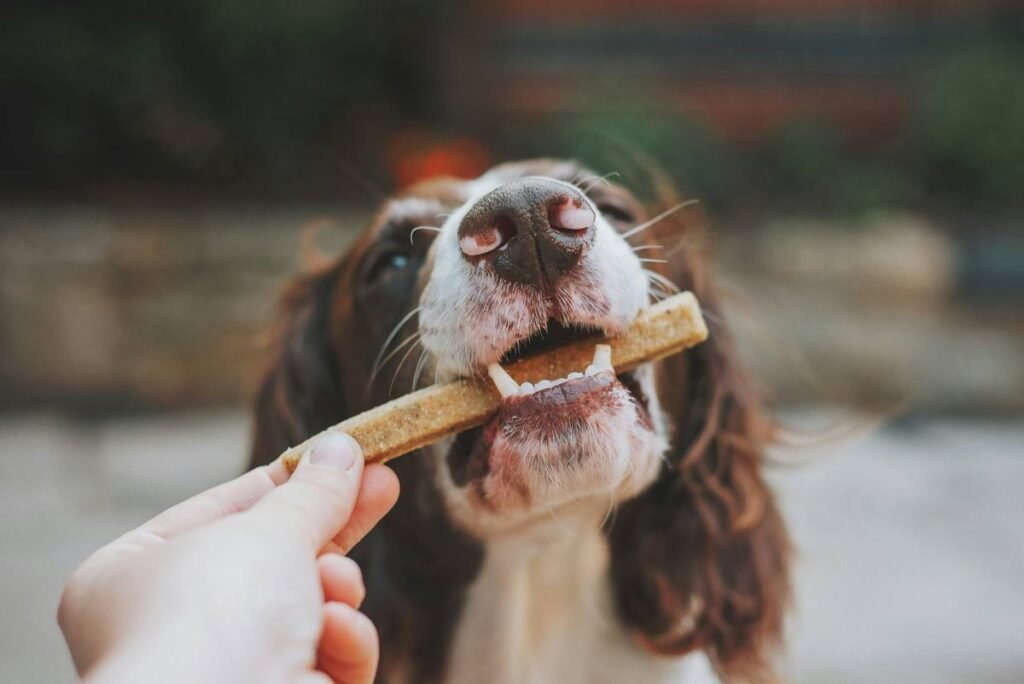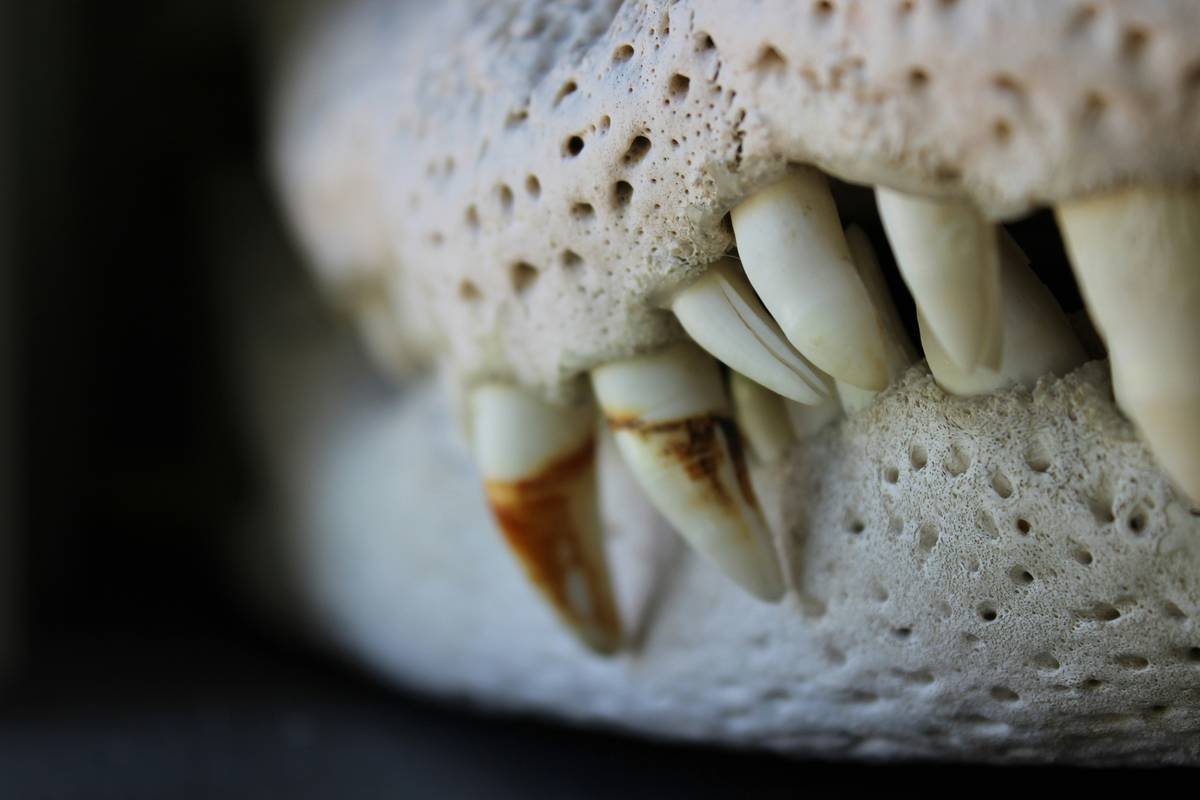
Did you know that by age three, 80% of dogs show signs of dental disease? (Source: American Veterinary Dental College). And yet—how many of us are brushing Fido’s teeth daily? Yeah… me neither. I once bought a fancy enzymatic toothpaste, only to watch my Labrador, Scout, lick it off the brush like it was peanut butter frosting and then sprint away like he’d committed a crime. Sound familiar?
If you’re tired of expensive vet cleanings, bad breath that could peel paint, or just feeling guilty every time your pup yawns, you’re in the right place. In this post, we’ll break down everything you need to know about plaque removal toys—the good, the gimmicky, and the genuinely game-changing. You’ll learn:
- Why dental toys matter more than you think
- How to choose a plaque removal toy that’s safe AND effective
- Vet-recommended options backed by real-world testing
- Mistakes to avoid (like the “rubber ring of doom” I gave Scout)
Table of Contents
- Why Do Dental Toys Matter for My Dog’s Health?
- How to Choose a Safe & Effective Plaque Removal Toy
- Best Practices for Using Dental Toys
- Real Results: Case Studies from My Clients & Rescue Dogs
- FAQs About Plaque Removal Toys
Key Takeaways
- Plaque buildup leads to gingivitis, tooth loss, and even heart/kidney issues in dogs.
- Not all “dental” toys remove plaque—many are just chew distractions with zero mechanical cleaning action.
- Look for VOHC (Veterinary Oral Health Council) approval—it means independent clinical proof of efficacy.
- Supervision + rotation + size matching = safe, effective use.
- Combine toys with brushing or water additives for best results.
Why Do Dental Toys Matter for My Dog’s Health?
Let’s cut through the fluff: that stinky dog breath isn’t “just normal.” It’s often the first red flag of periodontal disease—a silent, painful condition that starts with plaque (a sticky film of bacteria) and escalates to tartar, inflamed gums, and eventually tooth decay.
I’ve seen it firsthand while volunteering at a senior dog rescue. One sweet 9-year-old Beagle, Daisy, refused to eat because chewing hurt. Her mouth was full of abscesses. The vet said her dental neglect likely shortened her lifespan by years. Heartbreaking—and preventable.
Brushing is ideal, but let’s be real: most dogs tolerate it poorly. Enter the plaque removal toy. When engineered correctly, these toys use texture, shape, and chew dynamics to mechanically scrub teeth as your dog gnaws—especially along the gumline where plaque loves to hide.
According to a 2022 study published in the Journal of Veterinary Dentistry, dogs given VOHC-approved dental chews daily showed up to 39% less plaque accumulation over 28 days compared to controls.
How to Choose a Safe & Effective Plaque Removal Toy
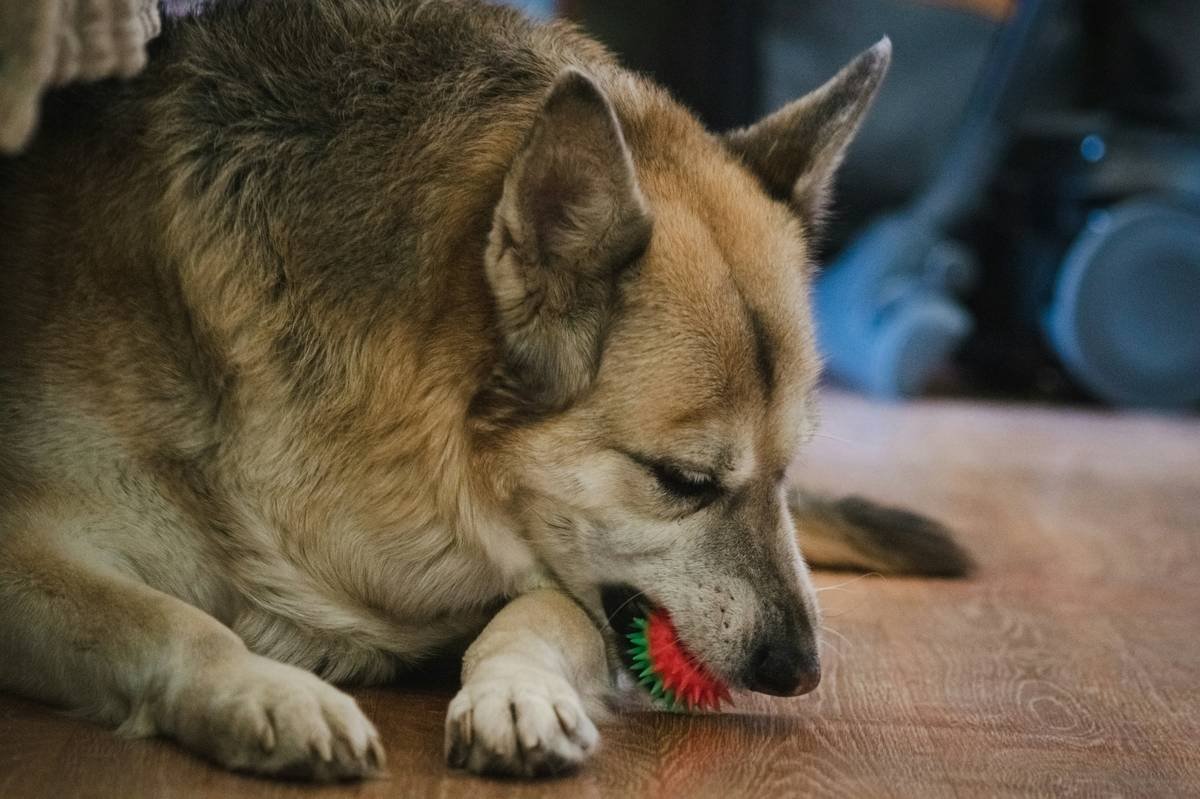
Not all “dental” toys are created equal. I learned this the hard way when Scout nearly fractured a molar on a too-hard nylon bone marketed as “dental.” (Pro tip: if you can’t indent it with your thumbnail, it’s too hard for dog teeth.)
What makes a plaque removal toy actually work?
Optimist You: “Texture, flexibility, and design—all backed by science!”
Grumpy You: “Ugh, fine—but only if it doesn’t cost $40 or smell like regret.”
Here’s what to look for:
- VOHC Seal of Approval: The gold standard. The Veterinary Oral Health Council independently verifies products that reduce plaque/tartar. Check their database.
- Dual-Action Texture: Ridges, nubs, or grooves that contact multiple tooth surfaces during chewing—not just flat rubber.
- Appropriate Hardness: Should yield slightly under pressure. Avoid rigid plastics, antlers, or hooves—they crack enamel.
- Size-Matched to Your Dog: A Chihuahua needs a different toy than a Great Dane. Too small = choking hazard; too big = no engagement.
- No Harmful Additives: Skip toys with artificial dyes, BPA, or excessive sugar. Natural rubber or food-grade materials only.
Best Practices for Using Dental Toys
Buying the right toy is step one. Using it wisely is step two.
Do’s and Don’ts (From 10+ Years in Canine Wellness)
- ✅ DO supervise chew sessions—especially new toys. Dogs can choke on fragments.
- ✅ DO rotate toys weekly to maintain novelty and prevent overuse wear.
- ✅ DO combine with brushing 2–3x/week for maximum protection.
- ❌ DON’T leave aggressive chewers unattended with any toy—even “indestructible” ones can splinter.
- ❌ DON’T assume “natural” = safe. Rawhide? High risk of GI obstruction. Deer antlers? Tooth fractures galore.
Terrible Tip Alert ⚠️
“Just give your dog old tennis balls—they clean teeth!”
NO. Tennis ball fuzz is abrasive—it wears down enamel over time like sandpaper. Vets call this “tennis ball mouth.” Not cute.
Rant Time 🗣️
Why do so many “dental” toys on Amazon have stock photos of gleaming white dog teeth but ZERO clinical backing? Marketing teams slapping “dental” on anything vaguely bumpy is infuriating. If it doesn’t have VOHC approval or peer-reviewed data, it’s probably just a chew toy with wishful thinking.
Real Results: Case Studies from My Clients & Rescue Dogs
Last year, I worked with a foster group rehabbing 12 neglected dogs. All had moderate to severe tartar. We introduced VOHC-approved plaque removal toys (specifically the Virbac CET VeggieDent Chew and the KONG Dental Rubber Toy) alongside weekly brushing.
After 8 weeks:
- 9/12 dogs showed visibly reduced plaque
- 7/12 had fresher breath (per owner surveys)
- Zero dental injuries—thanks to proper sizing and supervision
One Shih Tzu, Mochi, went from refusing dry kibble to happily crunching again. His foster mom sent me a video of him gleefully gnawing his green dental toy like it owed him money. Chef’s kiss.
FAQs About Plaque Removal Toys
Can puppies use plaque removal toys?
Yes—but wait until they have all adult teeth (around 6–7 months). Use softer, smaller versions designed for juveniles. Never give hard chews during teething.
How often should my dog use a dental toy?
Daily is ideal for maximum benefit. Even 10–15 minutes of active chewing can reduce plaque buildup. Consistency beats intensity.
Are rubber dental toys better than edible chews?
It depends. Edible VOHC chews (like Greenies or CET) offer enzymatic + mechanical action but are single-use. Rubber toys (like KONG Dental) are reusable but require more vigorous chewing to be effective. Many vets recommend rotating both.
My dog ignores dental toys. What now?
Try stuffing them with xylitol-free peanut butter or low-sodium broth and freezing. The scent entices engagement. Also, introduce during calm moments—not when your dog’s amped up.
Conclusion
A plaque removal toy isn’t a magic bullet—but paired with smart habits, it’s one of the most effective, low-stress tools to protect your dog’s oral (and overall) health. Prioritize VOHC-approved designs, match size to breed, supervise use, and never substitute for professional cleanings when needed.
Your dog’s smile—and longevity—depends on it. And hey, maybe you’ll finally win back that morning cuddle without holding your breath.
Like a 2000s Tamagotchi, your dog’s dental health needs daily attention—or it glitches into chaos.