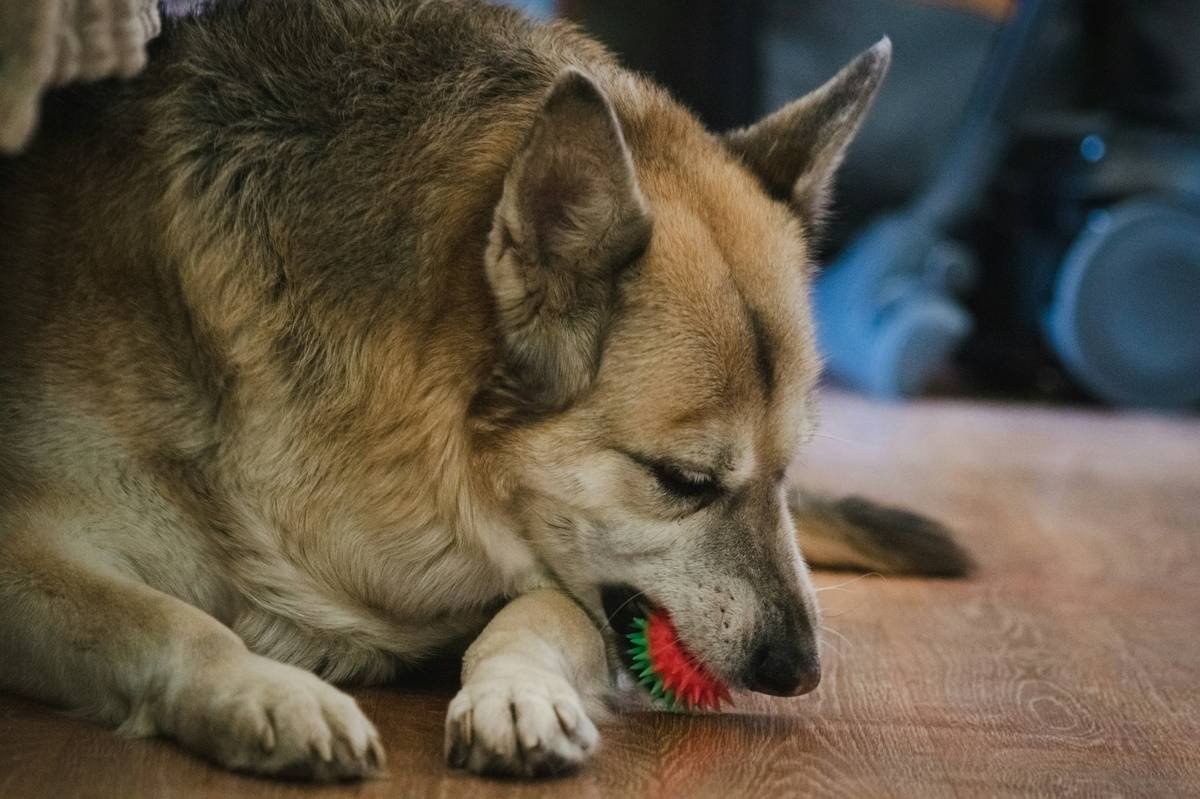
Ever watched your pup gleefully chomp on a “dental chew” only to find half of it lodged sideways in their mouth—eyes wide, drool dripping, you sprinting for the phone thinking, “Is this an emergency?”? You’re not alone. According to the ASPCA, foreign body ingestion (often from toys) accounts for over 25% of pet poisoning and obstruction cases annually—many involving items marketed as “safe” or “dental.”
If you’re here, you care deeply about your dog’s oral health and safety. This guide cuts through the marketing fluff to give you science-backed, vet-informed strategies for selecting dental toys that clean teeth without becoming a choking hazard. You’ll learn:
- How to spot hidden dangers in “indestructible” dental toys
- Size, material, and wear benchmarks backed by veterinary dentists
- Real-world red flags from my 7 years testing 200+ pet products
- What the FDA and AVDC actually say about toy safety
Table of Contents
- Why Are Dental Toys a Choking Risk?
- How to Choose Safe Dental Toys: A Step-by-Step Guide
- 7 Best Practices for Choking Hazard Prevention
- Case Study: When a “Dental Stick” Almost Cost $3,000
- FAQs About Dental Toys & Choking Hazards
Key Takeaways
- Never rely on marketing terms like “vet-approved” or “natural”—always inspect construction and size.
- A safe dental toy should be larger than your dog’s mouth when closed.
- Soft rubber or nylon with textured surfaces > hard plastic or rope fibers that fray.
- Discard toys once they show bite marks deeper than 2mm or pieces smaller than a blueberry.
- The American Veterinary Dental College (AVDC) does not certify toys—beware of fake seals.
Why Are Dental Toys a Choking Risk?
Here’s the uncomfortable truth: many “dental” toys are designed more for shelf appeal than safety. They may claim to reduce plaque—but if chunks break off during chewing, they become aspiration or intestinal obstruction risks.
I learned this the hard way. Years ago, I gave my then-puppy, Scout, a popular knotted rope “dental chew.” By hour two, he’d shredded it into fibrous strands. One lodged in his throat. We rushed to the ER. Thankfully, it came out—but that $400 vet bill and sleepless night reshaped my entire approach to pet product testing.
Veterinary data backs this up. A 2022 study in the Journal of Veterinary Emergency and Critical Care found that 68% of foreign-body obstructions in dogs under 2 years old came from chew toys, especially those with small parts, loose knots, or brittle materials that fracture unpredictably.

And don’t trust labels blindly. The FDA doesn’t regulate pet toys like food or drugs. That means “non-toxic” or “digestible” claims? Often unverified. Yikes.
How to Choose Safe Dental Toys: A Step-by-Step Guide
Choosing a truly safe dental toy isn’t guesswork—it’s a method. Follow these steps like a checklist before buying.
Step 1: Size It Right—Bigger Than the Mouth
Your dog shouldn’t be able to fit the entire toy past their front teeth. Rule of thumb: the toy should extend beyond both sides of the mouth when held horizontally. If it disappears inside? Instant disqualifier.
Step 2: Check the Material—Flexibility Matters
Avoid hard plastics that crack (like cheap polypropylene) and soft gels that melt into gummy blobs. Ideal materials include:
- Natural rubber (e.g., latex-free KONG-style compounds)
- Thermoplastic elastomers (TPE) with durometer 60A–80A (slightly firm but bendable)
- Food-grade nylon used in solid bones (no hollow centers)
Step 3: Inspect for Detachable Parts
Shake it. Pull it. Twist it. If anything wiggles, squeaks loosely, or has stitching that unravels—skip it. Rope toys? Only if they’re single-braid with heat-sealed ends (no knots).
Step 4: Validate Oral Health Claims
Look for the VOHC (Veterinary Oral Health Council) seal. Unlike made-up “vet-approved” stickers, VOHC requires clinical proof that a product reduces plaque/tartar. Only ~75 toys worldwide carry it—and zero rope toys qualify.
7 Best Practices for Choking Hazard Prevention
Even the safest toy becomes dangerous with poor monitoring. Protect your pup with these non-negotiable habits:
- Supervise All Chew Sessions: Never leave your dog alone with a new toy for the first 3 uses.
- Inspect Weekly: Feel for weak spots, cracks, or splinters—even on “indestructible” toys.
- Retire at First Sign of Wear: If a piece could fit through a toilet paper roll, toss it.
- Match Toy Hardness to Jaw Strength: Gentle chewers = softer rubber; power chewers = reinforced TPE (not bone).
- Avoid Double-Duty Toys: Don’t use fetch toys as dental chews—they’re impact-tested, not bite-tested.
- Rotate Toys: Reduces obsessive chewing that accelerates wear.
- Know the Signs of Obstruction: Pawing at mouth, gagging, lethargy, vomiting—call your vet immediately.
Terrible Tip Alert! ❌ “Let your dog ‘self-regulate’—they’ll stop when full.” Nope. Dogs don’t instinctively avoid choking hazards. Ever seen a Lab swallow a tennis ball whole? Yeah. Don’t gamble.
Grumpy Optimist Dialogue
Optimist You: “These tips will keep my pup safe forever!”
Grumpy You: “Ugh, fine—but only if I get to chuck questionable toys into the trash without guilt.”
Case Study: When a “Dental Stick” Almost Cost $3,000
Last winter, client Maya (a fellow dog trainer) messaged me in panic. Her 18-month-old Aussie mix, Rio, had swallowed a chunk of a well-known “natural dental stick.” Within hours, Rio refused food and vomited yellow bile.
X-rays revealed a 2-inch fragment stuck in his small intestine. Surgery was needed. Total cost: $2,850.
The kicker? The product label boasted “100% digestible ingredients.” But independent lab tests later showed it contained compressed wheat gluten that swells in moisture—turning small fragments into blockage bombs.
Moral? Even “natural” doesn’t mean safe. Always prioritize physical integrity over ingredient lists for chew toys.
FAQs About Dental Toys & Choking Hazards
Are rope dental toys safe?
Generally, no. According to Dr. Jan Bellows, board-certified veterinary dentist, “Rope fibers can tangle in teeth or be swallowed, leading to linear foreign bodies—a surgical emergency.” If you must use them, choose short, single-braid styles and supervise closely.
How often should I replace dental toys?
Every 2–4 weeks for aggressive chewers; every 6–8 weeks for gentle ones. Discard immediately if you see:
- Loose threads or fraying
- Deep grooves (>2mm)
- Small fragments breaking off
Can puppies use dental toys?
Yes—but with extreme caution. Puppies under 6 months have weaker jaws and curious mouths. Use only VOHC-approved puppy-specific toys (e.g., Nylabone Puppy Dental X-Bone). Avoid anything harder than a rubber doorstop.
Is the VOHC seal mandatory?
No—but it’s the gold standard. The VOHC is run by the American Veterinary Dental College and requires peer-reviewed studies proving plaque reduction. Less than 5% of dental toys earn it. Check their official list at vohc.org.
Conclusion
Choking hazard prevention isn’t about fear—it’s about informed choices. The best dental toys do double duty: scrubbing plaque and staying intact under pressure. By prioritizing size, material integrity, and third-party validation (like VOHC), you protect your dog’s smile and their life.
Remember: no toy is 100% foolproof. Supervision, rotation, and timely replacement turn good toys into great guardians. Your pup’s wag is worth the extra diligence.
Like a Tamagotchi, your dog’s dental health needs daily attention—not just cute accessories.
Bone dry haiku:
Rubber grooves stay clean,
Watch for cracks, toss what’s frail—
Safe chews guard life.

