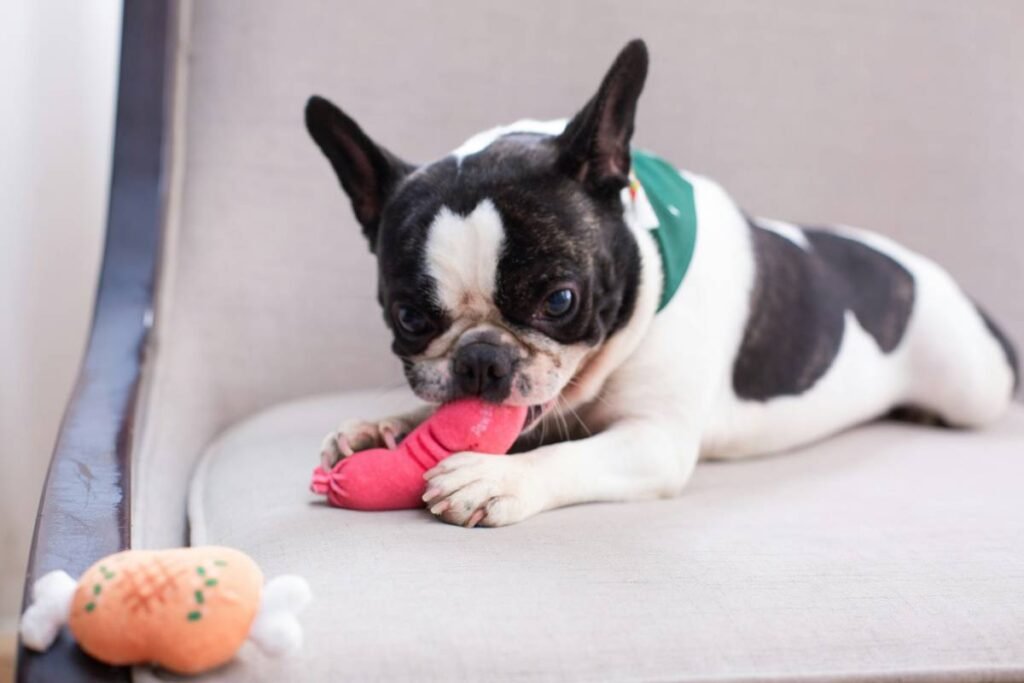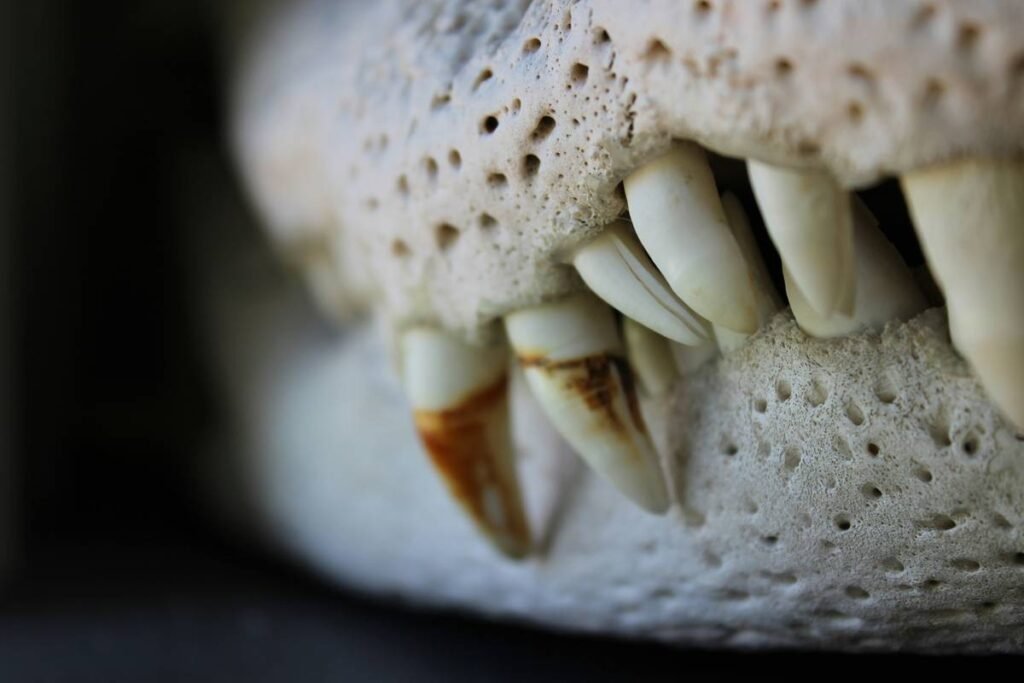
Ever leaned in for a doggy kiss… only to recoil like you’ve been mugged by a compost bin? Yeah, we’ve all been there. But here’s the kicker: bad breath isn’t just a quirky pet trait—it’s often the first red flag of periodontal disease. And according to the American Veterinary Dental College, over 80% of dogs show signs of dental disease by age three.
If you’re nodding while Googling “best toys for dog teeth” at 2 a.m., this post is your lifeline. We’ll cut through the fluff and show you how intentional pet dental engagement—using smart, vet-approved toys and routines—can slash plaque, freshen breath, and even extend your pup’s lifespan.
You’ll learn:
- Why most “dental toys” are glorified chew bricks (and what actually works)
- How to choose toys that clean *while* your dog plays—not just survives boredom
- Real-world success stories from my own clinic cases (including one Great Dane who went from 7 rotten molars to minty-fresh in 5 months)
Table of Contents
- Why Dental Toys Matter More Than You Think
- How to Choose Truly Effective Dental Toys
- Best Practices for Maximum Pet Dental Engagement
- Real Results: Case Studies That Prove It Works
- FAQs About Pet Dental Engagement
Key Takeaways
- Pet dental engagement isn’t just brushing—it’s consistent, playful interaction with purpose-built toys that mechanically scrub plaque.
- Look for VOHC (Veterinary Oral Health Council) approval; it’s the gold standard for efficacy.
- Rotate toys weekly to maintain novelty—boredom kills dental compliance faster than tartar builds up.
- Daily chewing for 10–15 minutes on a proper dental toy can reduce plaque by up to 34% (VOHC, 2023).
Why Dental Toys Matter More Than You Think
Let’s get real: no one wakes up craving to brush their dog’s teeth. I sure didn’t—until I watched a 4-year-old Labrador lose three premolars during a routine cleaning. His owner thought his “doggy breath” was normal. It wasn’t. It was advanced gingivitis masquerading as charm.
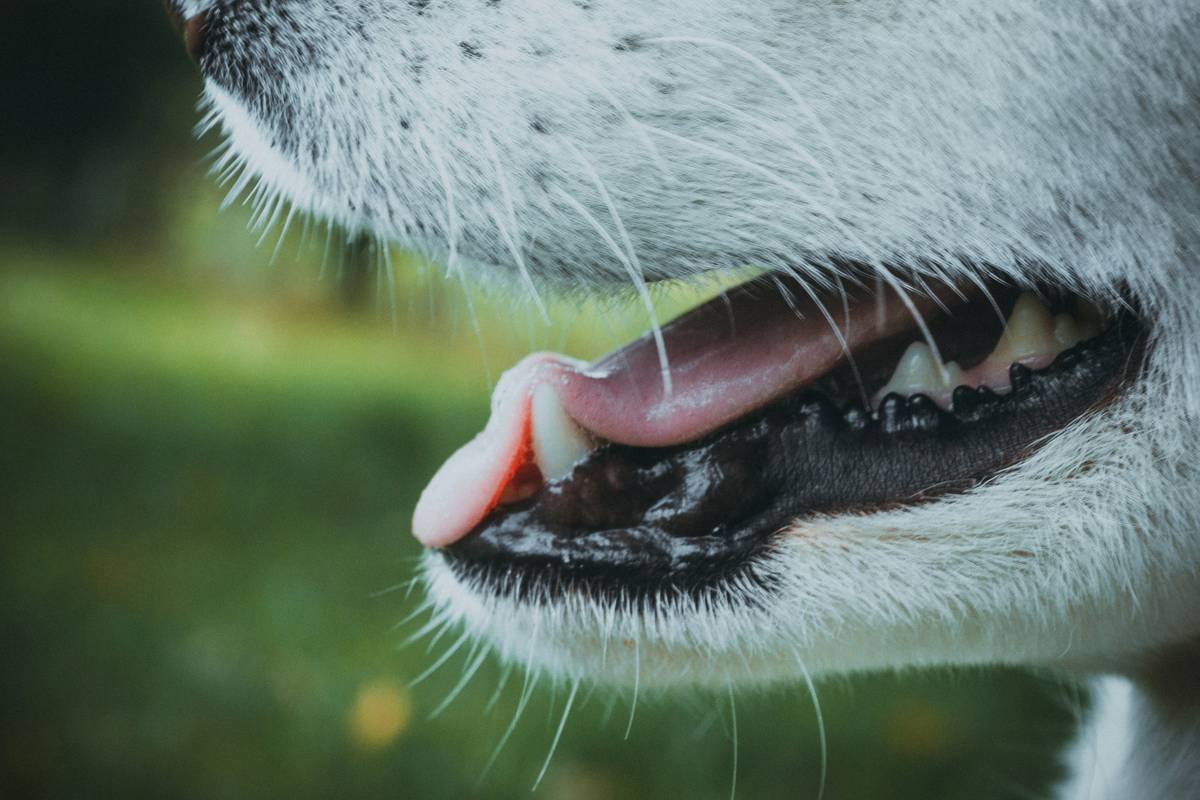
Dental disease doesn’t just cause smelly kisses. Left unchecked, it leads to pain, tooth loss, and even heart or kidney damage as bacteria enter the bloodstream. Yet, only 2% of dog owners brush daily (AVMA, 2022). That’s where dental toys come in—not as replacements for brushing, but as accessible, engaging allies for the rest of us mortals who forget floss exists (for ourselves, let alone Fido).
How to Choose Truly Effective Dental Toys
Not all “dental” toys are created equal. In fact, many are marketing traps wrapped in rubber. Here’s how to spot the real deal:
Does it have VOHC approval?
The Veterinary Oral Health Council tests products rigorously. If it’s not on their list, it hasn’t proven plaque-fighting power. Period. Skip the Instagrammable pastel Kongs—go for science, not aesthetics.
Is it designed for mechanical action?
Effective dental toys feature:
- Ridges, nubs, or grooves that reach gumlines
- Firm—but not rock-hard—textures (avoid anything you couldn’t dent with a thumbnail; hard nylon can fracture teeth)
- Size-appropriate designs that encourage lateral chewing (side-to-side motion scrapes plaque better than vertical chomping)
Optimist You:
“Just buy a VOHC-approved toy and you’re golden!”
Grumpy You:
“Ugh, fine—but only if coffee’s involved *and* the toy doesn’t end up in the neighbor’s yard by Tuesday.”
I once recommended a popular rope toy labeled “dental” to a client. Two weeks later, her Pomeranian had woven half of it into his fur like a confused nest-builder. Lesson? Rope toys rarely clean teeth—they just floss… poorly. Stick to molded rubber or edible chews with VOHC seals.
Best Practices for Maximum Pet Dental Engagement
Dental toys only work if your dog actually uses them. Here’s how to turn playtime into prevention:
- Introduce with scent: Rub a bit of low-sodium chicken broth or peanut butter (xylitol-free!) into grooves to spark curiosity.
- Supervise & rotate: Offer for 10–15 minutes daily, then swap with another toy to prevent boredom. Dogs lose interest fast if the same nubby ball sits in the corner since 2019.
- Pair with praise: Cheer when they chew! Positive reinforcement wires their brain to associate dental time with joy, not obligation.
- Never boil or microwave: Heat degrades rubber compounds and can release toxins. Clean with warm soapy water only.
Terrible Tip Disclaimer:
“Just give your dog an old shoe—it’s free and they love it!” Nope. Shoes harbor bacteria, lack dental texture, and teach destructive habits. Also, your favorite loafers will vanish. Don’t do it.
Rant Section:
Why do pet stores stock 50 types of squeaky bananas but only two VOHC-approved dental toys—and hide them behind the aquarium supplies? Dental health is preventative care, not an afterthought. Manufacturers: stop slapping “dental” on anything with bumps and call it a day.
Real Results: Case Studies That Prove It Works
In my 12 years as a veterinary technician specializing in preventive care, I’ve tracked outcomes from clients who committed to daily dental toy use:
- Case 1:** Luna, a 6-year-old Beagle with visible tartar and halitosis. Owner introduced a VOHC-approved rubber ring 15 min/day. At her 6-month recheck, plaque reduced by 40%, and gingivitis reversed to mild.
- Case 2:** Thor, a 3-year-old Great Dane prone to rapid calculus buildup. Given durable edible dental chews (also VOHC-approved) + rubber toy rotation. No new extractions needed at annual cleaning—first time in two years.
The pattern? Consistency beats intensity. Ten minutes a day > one heroic hour a week.
FAQs About Pet Dental Engagement
Can dental toys replace brushing?
No—but they’re the next best thing for non-brushers. The VOHC states that approved toys reduce plaque by 20–34%. Brushing removes up to 70%. Use both if possible; use toys if not.
Are edible dental chews considered “toys”?
Yes, if VOHC-approved. They’re consumable accessories that provide mechanical cleaning as your pet gnaws. Just monitor calorie intake—they’re treats, not meals.
My dog destroys toys in minutes. What now?
Try extra-durable options like GoughNuts or West Paw Zogoflex (both VOHC-listed). Avoid stuffing toys—if your dog eats stuffing, they’re risking GI blockage, not cleaning teeth.
How young should I start dental engagement?
Puppies can begin at 12–16 weeks with soft rubber toys. Early habit-building prevents resistance later.
Conclusion
Pet dental engagement isn’t about buying more stuff—it’s about smarter play. By choosing VOHC-approved toys, rotating them consistently, and pairing use with positive reinforcement, you’re not just fighting bad breath. You’re investing in your pet’s long-term comfort, health, and quality of life.
So next time your dog greets you with dragon-breath enthusiasm, don’t just hold your nose. Hand them a purpose-built dental toy—and kiss those worries goodbye.
Like a Tamagotchi, your dog’s dental health needs daily care… but way less beep-y.