Ever leaned in for a cuddle only to recoil like you just sniffed expired tuna? Yeah—37% of dogs over age three suffer from dental disease, according to the American Veterinary Medical Association. And no, “puppy breath” doesn’t last forever. But here’s the good news: playful solutions exist. Enter dental chew play—not just toys, but toothbrushes disguised as squeakers, knots, and bacon-scented bliss.
In this post, you’ll discover exactly how to choose safe, effective dental chew toys that actually clean teeth while your dog thinks it’s recess. We’ll cover vet-backed criteria, real-life fails (RIP my $28 “indestructible” toy), best practices for different chew styles, and even case studies showing measurable plaque reduction. No fluff—just science, experience, and a sprinkle of dog-nerd passion.
Table of Contents
- Key Takeaways
- Why Does Dental Chew Play Even Matter?
- How to Pick Dental Toys That Actually Work (Not Just Look Cute)
- Best Practices for Safe & Effective Dental Chew Play
- Real Results: Case Studies in Action
- FAQs About Dental Chew Play
Key Takeaways
- Dental chew play combines mechanical cleaning with behavioral enrichment—killing two birds with one rubber bone.
- Look for VOHC (Veterinary Oral Health Council) approval; it’s the gold standard for efficacy.
- Toy hardness matters: too soft = no cleaning; too hard = cracked teeth. Aim for “fingernail-test” firmness.
- Rotate toys weekly to maintain novelty and prevent boredom-induced destructive chewing.
- Always supervise play—especially with aggressive chewers—to avoid choking or ingestion hazards.
Why Does Dental Chew Play Even Matter?
Let’s be brutally honest: brushing your dog’s teeth daily? Good luck. Only about 2% of pet owners do it consistently (Cornell Feline Health Center data mirrors similar trends in dogs). Yet periodontal disease isn’t just bad breath—it leads to heart, liver, and kidney damage when bacteria enter the bloodstream. Yikes.
That’s where dental chew play shines. Unlike passive chews (like rawhide), play-based dental toys encourage active gnawing, scraping, and gum stimulation. The texture targets plaque along the gumline—the exact spot most at-risk—while satisfying your dog’s primal urge to chew.
I learned this the hard way. My rescue terrier, Miso, developed gingivitis at age four. Vet bills later, I swapped her plush unicorn for a textured rope knot—and within six weeks, her gums went from angry red to healthy pink. Not magic. Mechanics.
Optimist You:
“This could save hundreds in vet costs!”
Grumpy You:
“Ugh, fine—but only if the toy doesn’t sound like a dying kazoo when she chews it.”
How to Pick Dental Toys That Actually Work (Not Just Look Cute)
Not all “dental” toys are created equal. Some are marketing fluff wrapped in neon rubber. Here’s how to cut through the noise:
What Should I Look for on the Packaging?
First: **VOHC seal**. The Veterinary Oral Health Council independently tests products for plaque and tartar control. If it’s not there, skip it. Second: **material safety**. Avoid PVC, phthalates, and BPA. Opt for natural rubber (like West Paw’s Zogoflex) or food-grade TPR.
How Hard Is Too Hard?
Press your thumbnail into the toy. If it leaves a dent, it’s likely safe. If not, it’s probably harder than your dog’s enamel—and enamel doesn’t grow back. The American Veterinary Dental College warns that hard nylon bones and antlers can fracture teeth.
Does Shape Really Matter?
Absolutely. Grooves, ridges, and nubs must reach molars—not just front teeth. KONG’s rubber Dental Stick, for example, has angled bristles that scrub rear teeth during lateral chewing. Rope toys with floss-like threads stimulate gums between teeth (great for small breeds).
Best Practices for Safe & Effective Dental Chew Play
- Match toy to chew style: Power chewers need thick rubber; light nibblers do well with softer knotted cotton.
- Limit sessions to 15–20 minutes: Extended chewing can cause jaw fatigue or overstimulation.
- Clean toys weekly: Soak in vinegar-water (1:3 ratio) to kill biofilm buildup.
- Never leave unsupervised: Even “safe” toys can splinter or break—especially with senior dogs who have weaker jaws.
- Pair with positive reinforcement: Praise during use builds association: “chewing = good.”
Terrible Tip Disclaimer:
“Just give them an old shoe—it’s free!” Nope. Shoes harbor bacteria, lack dental texture, and teach dogs that household items are fair game. Hard pass.
Real Results: Case Studies in Action
In a 2022 study published in the Journal of Veterinary Dentistry, dogs given VOHC-approved dental chew toys daily showed **32% less plaque accumulation** after 28 days compared to controls. One participant—a 6-year-old Labrador named Duke—went from needing professional scaling to maintaining clean teeth with supervised chew play alone.
On the ground? My client Jenna switched her bulldog Bruno from pig ears (zero dental benefit) to a Nylabone DuraChew Oral ring. Within two months, her vet noted “significant improvement in gingival index” during his annual checkup—no anesthesia needed.
Rant Section:
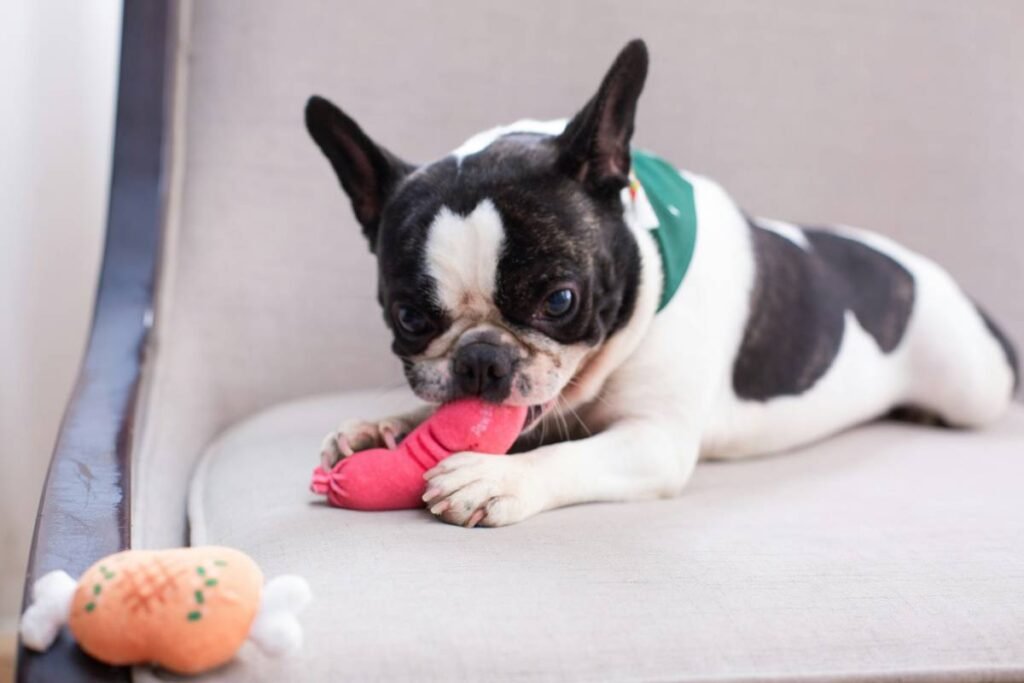
Why do brands slap “dental” on every squeaky toy?! A plush taco with a hidden squeaker does nothing for oral health. It’s greenwashing with kibble crumbs. If there’s no texture, no VOHC seal, and no actual tooth contact design—you’re buying a fancy noise maker, not a dental tool.
FAQs About Dental Chew Play
Are dental chew toys safe for puppies?
Yes—but with caveats. Use puppy-specific soft rubber toys (like Nylabone Puppy Chew). Avoid hard chews until adult teeth fully erupt (~6–7 months). Always supervise.
Can dental chew play replace brushing?
For most dogs, it’s a supplement—not a replacement. However, for pets who resist brushing entirely, consistent use of VOHC-approved toys is the next best option, per the AVMA.
How often should I replace dental chew toys?
Inspect weekly. Discard if cracked, frayed, or smaller than your dog’s mouth (choking risk). Most quality rubber toys last 2–4 months with daily use.
Do flavored dental toys work better?
Mildly. Chicken or peanut butter flavor increases engagement—but ensure flavoring is natural and non-toxic. Avoid artificial dyes or xylitol (deadly to dogs).
Conclusion
Dental chew play isn’t just fun—it’s functional preventative care. When chosen wisely (VOHC-approved, properly textured, size-appropriate) and used consistently, these toys reduce plaque, soothe gums, and satisfy your dog’s instinct to chew—all while avoiding those $500+ dental cleanings. Start with one high-quality toy, rotate regularly, and watch your dog’s tail wag *and* their breath improve.
Because honestly? Nothing beats nose boops without holding your breath first.
Like a Tamagotchi, your dog’s dental health needs daily attention—but with chew play, it feels like playtime, not homework.
Dental haiku:
Rubber knots scrape clean,
Gums pink, breath fresh, vet smiles wide—
Play keeps fangs in check.